
Certain aspects of home ownership are buried until they require attention. Septic tanks are one such important but often ignored aspect of a house. We often overlook it as if it can do its job with no maintenance or concern. Septic tanks, like all systems, have a finite life span and need to be replaced over time.
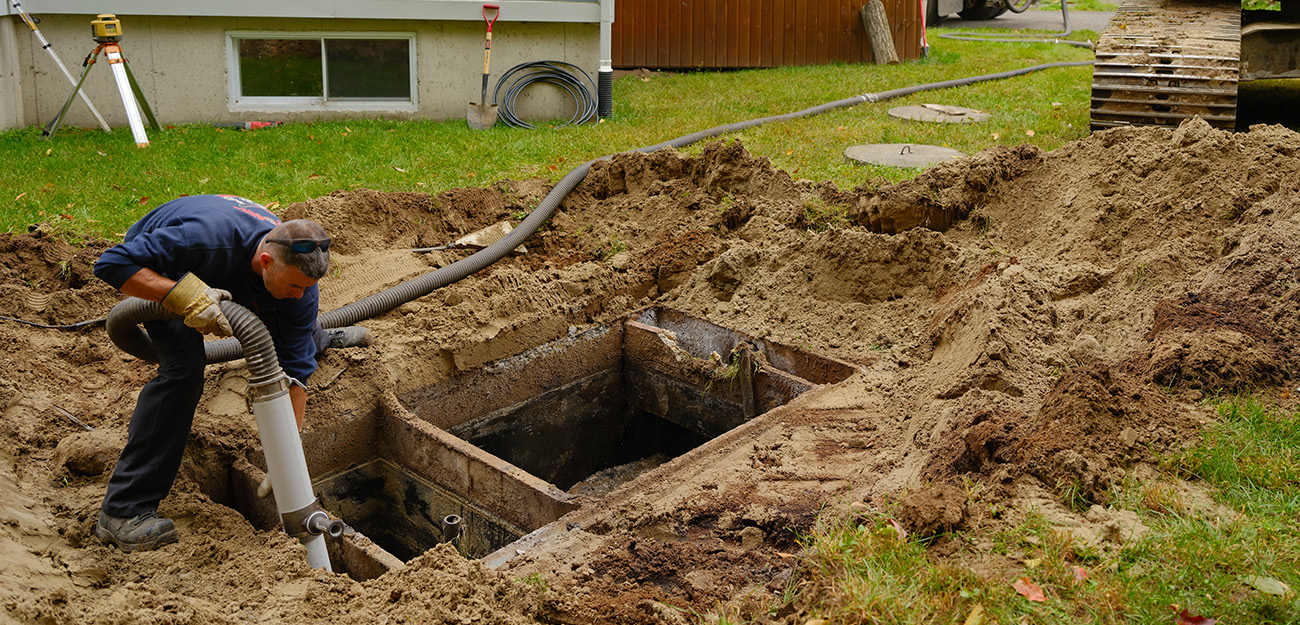
Cost of replacing the septic tank can be an enormous financial burden for homeowners who do not have the right plan. The total price is determined by numerous variables, and it’s essential to budget for a new system.
In order to determine the cost of a septic tanks replacement, you should consider more than just the price. It is not just a case of replacing the tank with a new one. Many components and services are included in the total cost. Costs are charged at every stage of the process such as obtaining permits, hiring experts, as well as excavation and installation.
The expense of replacing the septic system, which includes the cost of installation for the leach field and its septic system as a whole is a significant factor. The price of new tank is subject to a wide range of variations based on the size and materials of the tank and the difficulty of installation. Furthermore, the location of your home, the local regulations, and soil conditions are also factors that can affect the cost. It’s crucial to consult with experts on septic systems to evaluate your specific needs and provide a precise estimate. They will also consider how big and the design of the leach field to give you a comprehensive idea of how much the project will cost.
Leach fields, also known as drainfields, are yet another cost. This component is crucial for the treatment and dispersal of wastewater. It is essential to consider the best option when replacing a damaged leachfield or one that has failed. It can have a significant impact on the cost of a replacement septic system. Factors such as the size of the leach field soil composition, and accessibility all impact the cost of replacement, making it important to consider these factors when making a calculation of the cost total.
In addition to the actual costs homeowners must also be aware of the monetary costs that are intangible when replacing a septic tank. The process could disrupt your normal routine by demanding that you temporarily leave your house, or limit your water usage while the installation is being done. These inconveniences should be factored into your planning, as they can affect your routine and potentially cause additional expenses, for example, accommodation expenses or adjustments to your daily schedule.
It is also important to realize the need for proper maintenance and care of your septic systems are essential to prolong their life and minimize the possibility of replacement that is premature. The absence of routine maintenance work can cause more severe problems down the line which could include tank failure or damage to the drainfield. Plan for septic maintenance in advance is an investment you can make that will save you cash over the course of time.
By now, you may have realized that determining the cost to replace septic tank is not a straightforward task. This requires careful analysis of a variety of factors such as the size and type of tank to the difficulty in the installation process or the condition and condition of the leachfield. The location of your house and local regulations could influence the price. To determine the exact cost, you need to seek out experts who are experienced in the replacement of septic systems.
You may be surprised when you upgrade your septic tank to discover that there are extra costs you didn’t expect. These costs are likely to quickly add to the point that you need to be aware before making any decision.
The following are the hidden costs associated with replacing the septic system:
Cost of permits and inspections. Before beginning work to replace your Septic tank, it is important to require permits from your local authorities. These permits may be costly, and you might also be required to pay for inspections.
The cost of excavation and removal. The old septic system will need to be cleared and removed prior to the installation of a new system. can be installed. This can be a costly process, particularly if the old system is located in an unaccessible area.
The expense of backfilling and Grading. The hole left after the removal of the old system will need to be graded and backfilled. It is vital that the new drainage system drains correctly.
The cost of landscaping. You might need to plant a garden in the area after installation of the new system to keep it neat and tidy. It could be costly, particularly if landscaping services are needed.
It is important to consider the hidden costs when planning the replacement of your septic system. You can avoid unpleasant surprises in the future by planning ahead.
Eco-friendly septic systems can be a fantastic option for homeowners with the luxury of a budget. The eco-friendly solutions for septic are not only cost-effective alternatives to conventional systems, they also help conserve the environment by reducing water runoff and pollution. These green solutions are becoming accessible and affordable. They’re the ideal choice for those who wish to limit their impact on the environment but without a huge financial burden. While there are initial costs involved with switching to an eco-friendly system the savings in time will more than make up the cost of the initial costs. This isn’t a trend, but a lifestyle change anyone who are committed to protecting our planet’s future for generations to come. If you choose the right equipment, you can ensure that your home operates efficiently efficient, efficiently, and with low maintenance costs.