
Video is the mainstay of this change. AI video creation models allow for the creation of videos that once required complex software and lengthy production times. They also require specialized expertise. These systems aren’t just making video production easier, they are altering how static images become engaging, moving stories.
At the forefront of this shift is the Akool, whose technology demonstrates how far the use of AI in modern times has advanced.
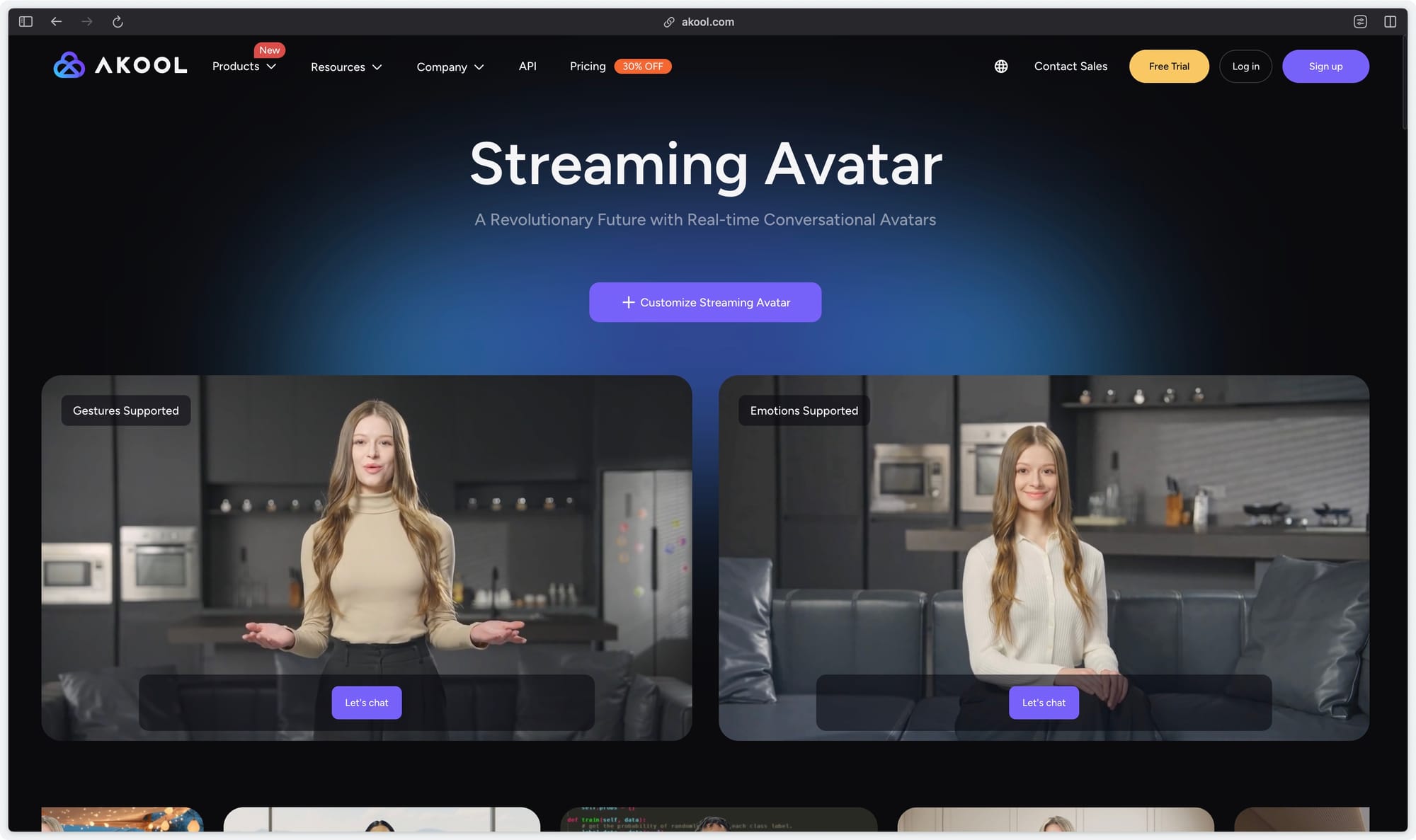
Image credit: akool.com
From Static Images Moving to Interactive Visuals
The production of video is a conventional procedure that starts with footage. A workflow powered by AI that is more advanced begins with an image. The Akool video model was created to convert static images and illustrations or design assets into videos that appear natural and visually cohesive. The model doesn’t employ standard animations, but instead adds the illusion of depth, motion, and texture to the photo while preserving its integrity.
This is particularly beneficial for teams that already have vast image libraries. Product photos, brand visuals or artworks can be used to create engaging videos without reshoots which saves time and resources, while also expanding creativity.
High-Performance Motion for Cinematic Results
Control is the primary characteristic of control in an AI video model that is truly professional. Every motion isn’t created equally and random animation ruins the immersion. The most advanced technology allows filmmakers to regulate how the elements in the frame move in terms of speed, direction and direction, creating a smoother, cinematic output.
Creators can make use of precise motion controls that create characters and camera movements that are more natural as opposed to automated. AI-generated content can be easily integrated into professional marketing campaigns and storytelling formats.
Faster and more efficient without sacrificing quality
Modern AI technologies challenge this idea. A robust AI video generator can produce high-resolution videos in a matter of seconds while preserving color accuracy, sharpness and stability of the visual. AI video production is practical when it strikes a balance between efficiency, quality and cost.
It is crucial to speed up the process in the social media and marketing environments, where trends evolve rapidly. Brands and creators gain competitive advantage due to their ability to test ideas and adjust images quickly, as well as publish media.
Trust is built on consistency
One of the historical challenges in AI video creation has been uniformity, particularly when humans or characters are included. The Akool AI model solves this issue by preserving facial identity, expressions and overall alignment of characters throughout a film. This makes for more convincing videos and prevents visual drift, which often causes viewers to lose interest.
For instances like spokesperson images, brand ambassadors or educational content it is crucial to maintain consistency. Visuals that have a steady and natural feel will be more likely to inspire viewers to connect and trust.
For real-world workflows, designed for
AI video tools are most powerful when they seamlessly integrate with existing processes of creativity. For professional users, image-to-video conversion models prioritize simplicity over the power. Teams can quickly adopt AI video creation with no extensive instruction thanks to user-friendly interfaces and speedy rendering.
Beyond individual creators these systems foster collaboration and encourage creativity. Users can explore shared examples discover new methods and expand their creativity with community-driven ecosystems.
The new standard in visual Storytelling
AI video creation is no longer an experiment innovation, but is now an essential component of modern-day content creation. With the combination of realism, speed and creative control today’s AI models expand the possibilities using existing assets.
As AI continues to evolve, tools Akool video model illustrate a broader shift toward smarter, more accessible video production. Visual storytelling’s future doesn’t merely revolve about creating motion, but about empowering creators and transforming concepts into immersive experiences more efficiently than ever.