
Think about how much planning can be done for a public park. Landscape architects think about the circulation of pedestrians accessibility, drainage, and vegetation, in addition to lighting, parking and playground layout. They also think about the different ways that people are likely to utilize the area. The most frequently utilized structures is thought of as a typical extension.
A restroom deserves more consideration. The restroom has to meet the requirements for waste disposal or plumbing. It also needs to comply with security standards, accessibility requirements and maintenance demands, as well as be in compliance with the building codes. It needs to be able to stand up to the elements for many years and the heavy use of people.
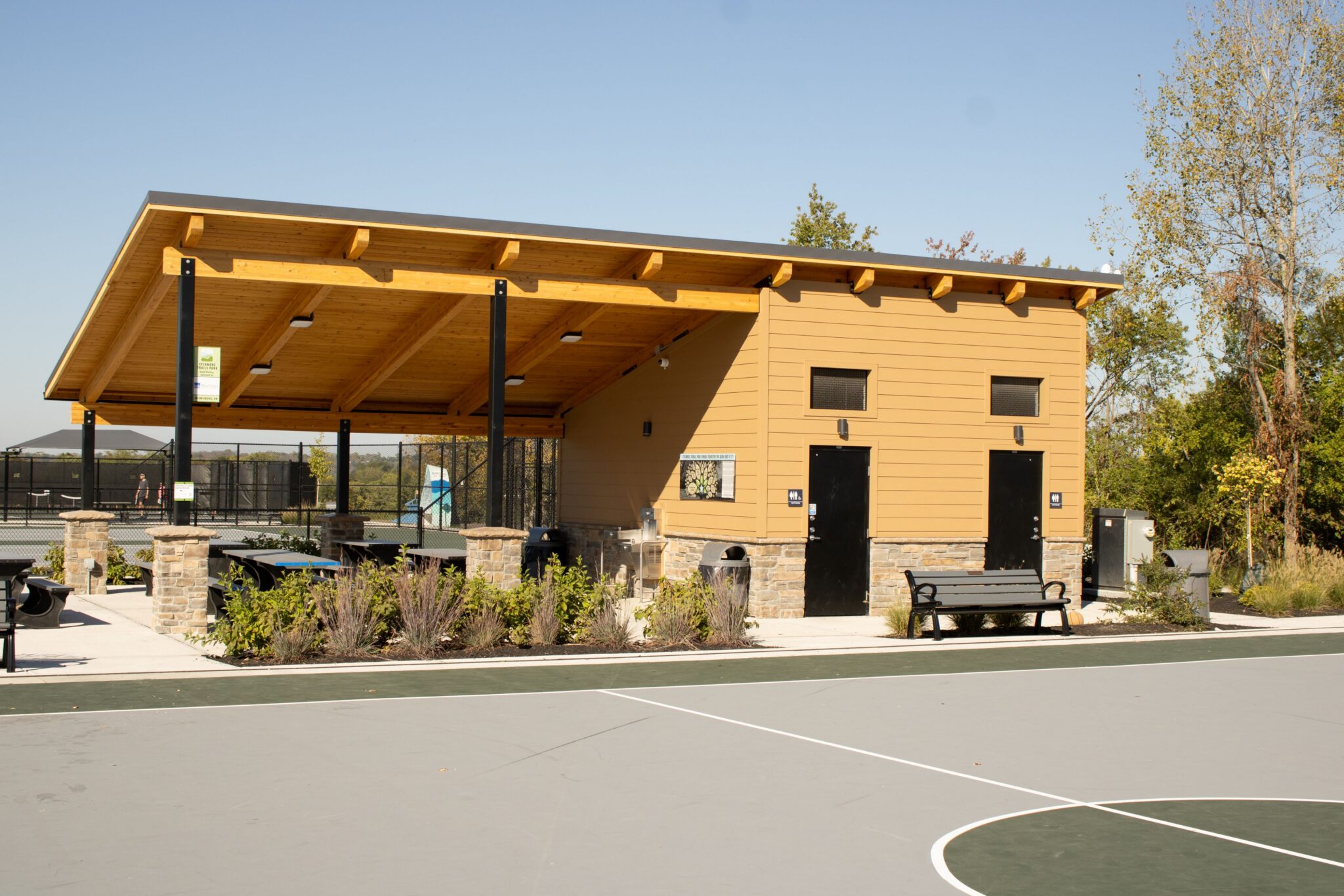
Image credit: romtec.com
Romtec’s method allows bathroom design to be a part the overall planning process for the site instead of being an added-on option.
Prefabrication does not mean identical Buildings
The term “prefabricated” park restroom buildings can suggest a limited choice of conventional structures. Kit-based approaches can be different.
Romtec offers customized plans, engineering documents, building materials and the documentation required for building them. It allows landscape architects to select the architectural style and materials that are most appropriate for the design. Romtec can also provide assistance with codes, ADA regulations, components pricing, and construction.
For example, a municipality which is rehabilitating an old park may have a different vision for the exterior than a recreation department that is building the new sports facility. Both can still gain from a standard building supply system but without having to have the same design.
The Design Brief for City Streets is Different
Bathrooms in urban areas are subject to their own operational realities. Bathrooms can be subject to constant pedestrians. Additionally, there are concerns concerning vandalism, security, and cleaning.
Romtec’s sidewalk restrooms incorporate visibility into the exterior design to encourage natural surveillance while maintaining the functionality expected of a public facility. The choice of low maintenance components and materials that resist vandalism is especially important since public institutions are often burdened with repeated repairs.
The goal isn’t simply to create a more robust bathroom. The layout, the materials, and the surroundings should all work together to make the space simpler to manage.
Sometimes, the most important question Is if the Underground
Before planning the design of a bathroom, planners should consider the infrastructure that is in place.
It’s possible that a city park developed in the past has an easy access to electric, water, and sewer lines for sanitary purposes. When you extend these lines to a remote camping area or trailhead the cost could be the most expensive cost.
If you are in a suitable location vault toilets can be an ideal alternative to toilets that are water-based. Romtec also provides elements for these facilities, for instance, its single-piece polyethylene bathroom riser. The material, soft, molded plastic is chemical resistant easily maintained, and specifically designed to prevent bacterial growth. It can be utilized in new or existing vault toilet facilities.
Design for People who Show Up After the Closing Time
Visitors only experience the restroom for a short duration. Maintenance workers must live with the layout of the restroom for a number of years.
That difference in perspective matters. Surfaces difficult to wash parts that break easily, and materials that are not made for repeated cleaning are just a few instances of tiny design choices which can end up costing you money.
Durability, serviceability and price are therefore crucial factors to take into consideration in the design process. Sustainable materials, energy-efficient equipment, vandal-resistant fixtures, and efficient maintenance access could all influence the building’s long-term value.
Even a small building can be a part of the landscape
The design of the restroom doesn’t have any need to be in competition with the park around it, but neither should it appear unintentional.
Romtec’s unique approach permits designers and public agencies to coordinate restrooms with other architectural elements, such as pavilions, shelters, and pools. However, practical requirements such as ADA accessibility, code compliance, sanitation durability, as well as maintenance are at the heart of the project.
When these aspects are taken into consideration, the end result isn’t just a bathroom. It’s an element of public infrastructure designed specifically for the community and the environment it serves.