
For many years, people imagined the process of shaping their bodies in simple terms: remove unwanted fat and reduce an area. Modern cosmetic surgery involves a much greater degree of complexity. The surgeons now take into consideration the shape of the patient, their desired shape proportions as well as the distribution of fat and skin condition before recommending treatments.
These factors are considered in the course of a procedure at PRM Cosmetic Surgery. The options include to fat transfer, liposuction and techniques to treat skin laxity. This provides surgeons with many options to shape the body, rather than only relying on one procedure.
Good Liposuction Starts With Proportion
If patients are searching for the most effective liposuction procedure patients, they might be focusing on the amount of fat that could be removed. The question of how the removal of fat affects the shape of your body is more pertinent.
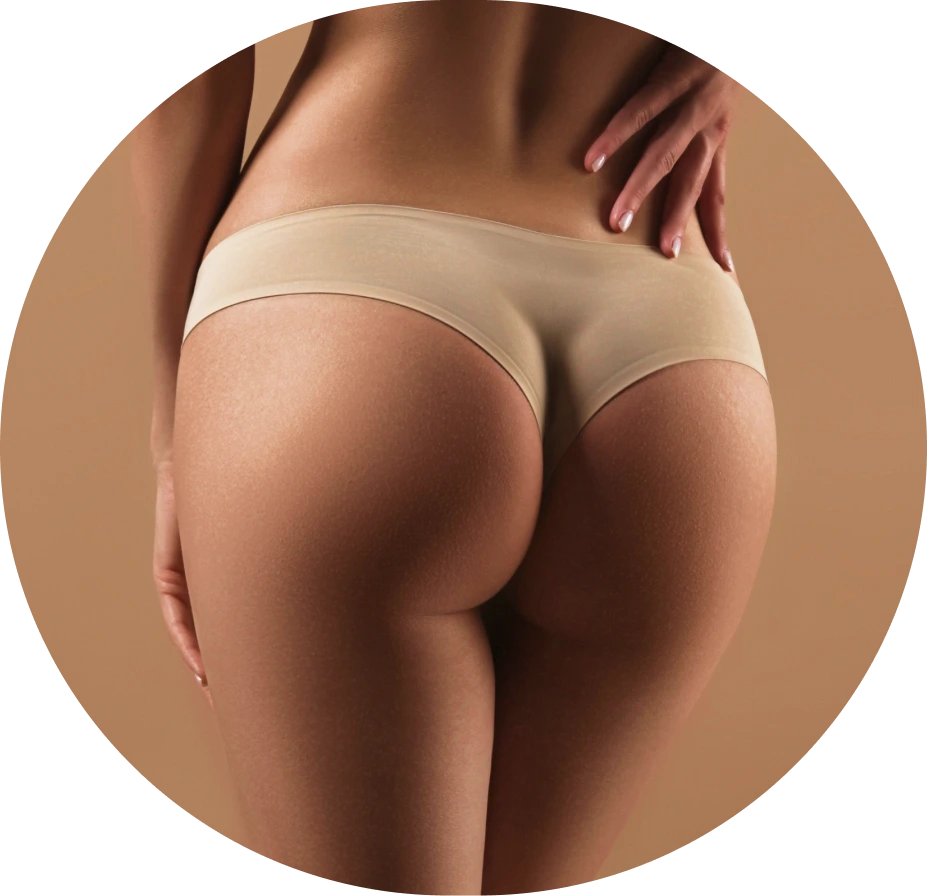
Image credit: prmsurgeons.com
By eliminating the fat on the abdomen, you can modify the way your hips and waist are positioned. In addition, treating the flanks can determine the transition. Careful and precise is essential because weight reduction does not always result in better. It’s essential to maintain the natural body shape of the patient while creating more rounded contours.
PRM offers advanced techniques which include tumescent numbing of liposuction. The treatment is customized to suit the region being treated and the patient’s needs.
Why skin quality deserves attention
Skin and fat react differently. While liposuction is able to remove the fat in a specific area, it doesn’t mean that the skin that covers the fat will contract in the way you want it to.
Because of this, tightening the skin can be an important aspect of the conversation. The way the skin reacts to contouring can be affected by factors such as genetics age and weight loss, pregnancy, or existing elasticity.
Techniques like Renuvion J-Plasma can be considered if a treatment plan has concerns about tightness of the skin. Surgery professionals should not look at tightening as a last-minute option, but rather consider the skin’s characteristics prior to deciding on an first strategy for body contouring.
Quantum RF: Where it fits into the conversation
The use of radiofrequency technology in aesthetic medicine has widened the possibilities. Quantum radiofrequency is a different option that can be considered when discussing body contouring or tissue tightening.
However, technology is not the sole element in treatment. A sophisticated device will not substitute for the need for careful selection of the patient in deciding on a surgical procedure and anatomical understanding. Patients must understand, during a consultation about the reasons why a certain technique is advised, its goal, and the limitations that could be applicable to the device.
Brazilian Buttlifts Change More Than Buttocks
A brazilian butt lift offers a useful example of how modern contouring involves relationships between different parts of the body. The procedure is carried out using a patient’s own fat that is removed from specific donor areas. The fat is then injected into the buttocks.
The resultant appearance results from two aspects: the shaping of the areas where fat has been eliminated and the addition, where necessary, to volume. The final appearance is influenced by the waistline, abdomen, hips, and flanks.
A Personalized Plan is more Important than a Trend
The choice of cosmetic procedures should not be based simply because a technique or technology is a hit. Two people who want slimmer waists may differ in their expectations of in terms of skin elasticity, fat distribution and proportions.
PRM Cosmetic Surgery provides individualized treatment and provides the body contouring option that is designed to meet the needs of each patient. An extensive consultation allows for an analysis of anatomy, selections for procedures and recovery times, potential risks, and realistic results before deciding if surgery or other treatments for aesthetics are suitable.