
Surface finishing has transformed into an engineering process. In today’s world of manufacturing the quality of coatings directly affect durability, corrosion resistance and the overall perception of the product. A lot of facilities employ paint robots to increase control and uniformity as global standards get more strict and customers expect flawless finish.
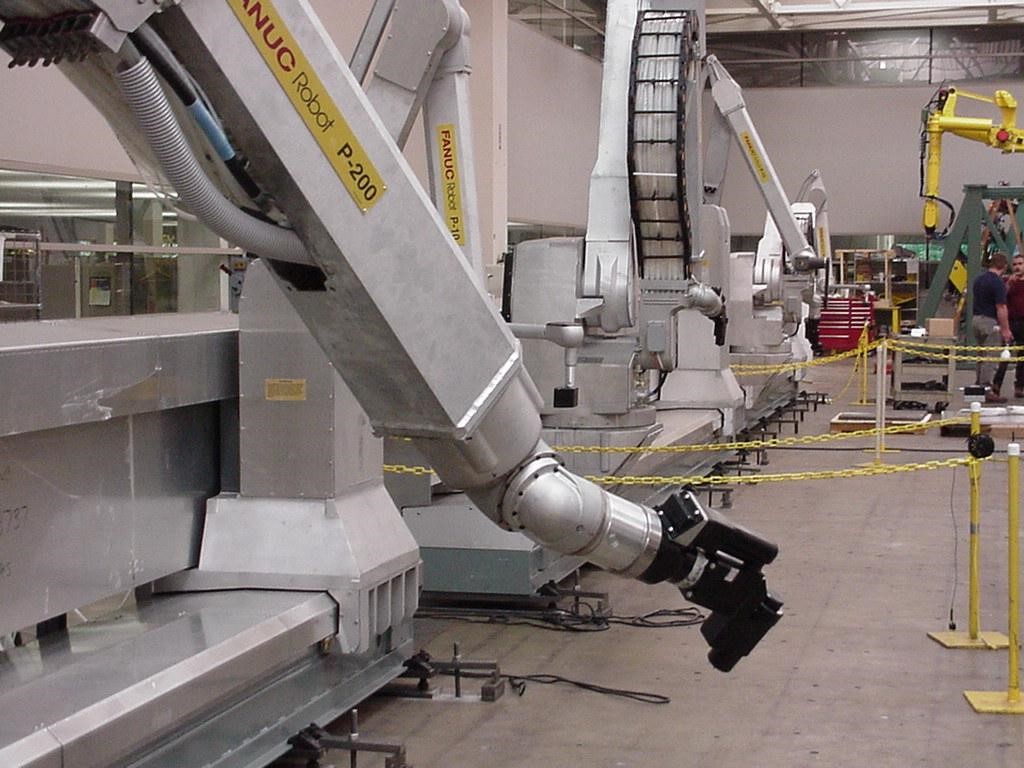
Image credit: automatedsolutions.com.au
Modern paint robots bring precise, programmable motion to processes that previously relied on operator technique. Manufacturers eliminate inconsistencies such as uneven film construction or excessive use of materials by automating the paint path, speed and the angles of application. This results in a consistent coating process that allows for greater First Time Quality and reduced the need for rework.
Consistency, efficiency, and measurable gains
Manual painting often introduces variation in coverage and thickness due to human fatigue, or minor technique differences. Paint robots reduce that variability by repeating the same motion pattern during each production cycle. This ensures uniform surface quality and optimized distribution of the material across all parts.
A robot-controlled paint system can increase the efficiency of transfer. Through keeping a precise distance and direction between the applicator and component, overspray can be reduced and more coating material can be applied to the surface of the object. The less waste material directly affects cost savings, while decreased emission of volatile organic compounds supports environmental compliance initiatives.
Paint robotics that integrates fluid handling guarantees accurate mixing ratios for coatings with multiple components. This helps eliminate inconsistencies that could make it difficult to maintain the integrity of the finish. The combination of stable flow control and programmable parameters allows manufacturers to fine-tune atomisation settings and spray patterns in real-time without interruption to production.
Safety and productivity
The increased uptime is a significant benefit of the paint robotic system. Unlike manual operations, robotic paint cells work continuously and have minimal interruption. Once they are programmed the paint cells provide a consistent output without needing breaks or constant supervision.
In any facility that handles solvent-based or two-component coatings safety considerations are vital. Atomised paint can create unsafe atmospheres, particularly when handling flammable or reactive materials. Modern paint robots are engineered for safe operation in demanding environments, helping reduce personnel exposure to harmful substances and improving workplace safety standards.
The conveyor tracking technology enhances productivity further, allowing for automated painting of the components while they are in motion. This feature expands the working envelope and keeps the production lines in good working order.
Australian Automation Expertise Supporting Industry
Access to experienced automation partners is vital for those who would like to modernize their finishing operations. Automated Solutions in Australia has a solid reputation for providing high-end robotic integration services. With a vast understanding of automation engineering, the team functions as certified FANUC robot integrators who assist businesses with custom robotic paint solutions that align with their objectives.
Automated Solutions helps manufacturers evaluate their processes, and design robotized paint cells by combining the expertise of industry experts with technical know-how. Through collaboration in planning, simulation, and integration of systems, companies gain an understanding of the anticipated performance enhancements prior to installation.
The adoption of paint robotics isn’t just about automation, it involves tangible improvements in quality, efficiency, and safety. A well-engineered system for painting transforms surface finishing into a controlled reliable, repeatable and cost-effective operation. The assistance of experts in automation will assist manufacturers in improving their competitiveness, and ensure sustainable growth in a competitive market.