
Rarely does a garden that is productive start with costly equipment or an aesthetically pleasing property. Most of the time, it begins with a person planting a handful of seeds, watching what happens, and then making better choices the following season.
The practical approach is what’s central to The Sproutstead, an informational resource for people who want to grow food and improve their soil, keep what they have harvested, and learn self-sufficiency techniques without getting lost in technical terms.
The conditions in your garden are distinctive
One reason garden advice may be disappointing is because gardens aren’t interchangeable. A tomato grown in a garden that is sunny and raised in one part of the world may develop differently than one grown with a heavier soil and shorter growing season in another.
Successful gardening and homesteading therefore involves more than following instructions. Gardeners benefit from understanding their personal conditions, including sun soil structure, soil structure, rain temperatures, the growing season, available space, and the time they’re able to dedicate to maintenance.
The Sproutstead explains the variables in order to let readers to modify gardening tips for an ordinary home instead of trying to recreate an ideal setting.
Gardening for vegetables begins below the Surface
Naturally the people pay more interest to plants they can observe. However, the effectiveness of any gardening venture is largely determined underground.
Good soil needs an appropriate combination of drainage, moisture retention, organic matter, and nutrients. Composting can enhance soil with time, while mulching can save water and slow the expansion of unwanted weeds. Vegetable gardening is easier when you pay attention to the fundamentals. A healthy environment for growth provides plants with a stronger foundation.
It is also essential to plan your garden. The spacing of plants, the timing of crops along with companion planting and seasonal succession can determine the effectiveness of gardening in limited space.
Tomatillos is a good example of paying attention
Ask 10 gardeners about tomatoes, and you’ll likely hear ten different stories. Most well-known of all vegetables grown in the backyard, tomatoes show the effects of several different conditions.
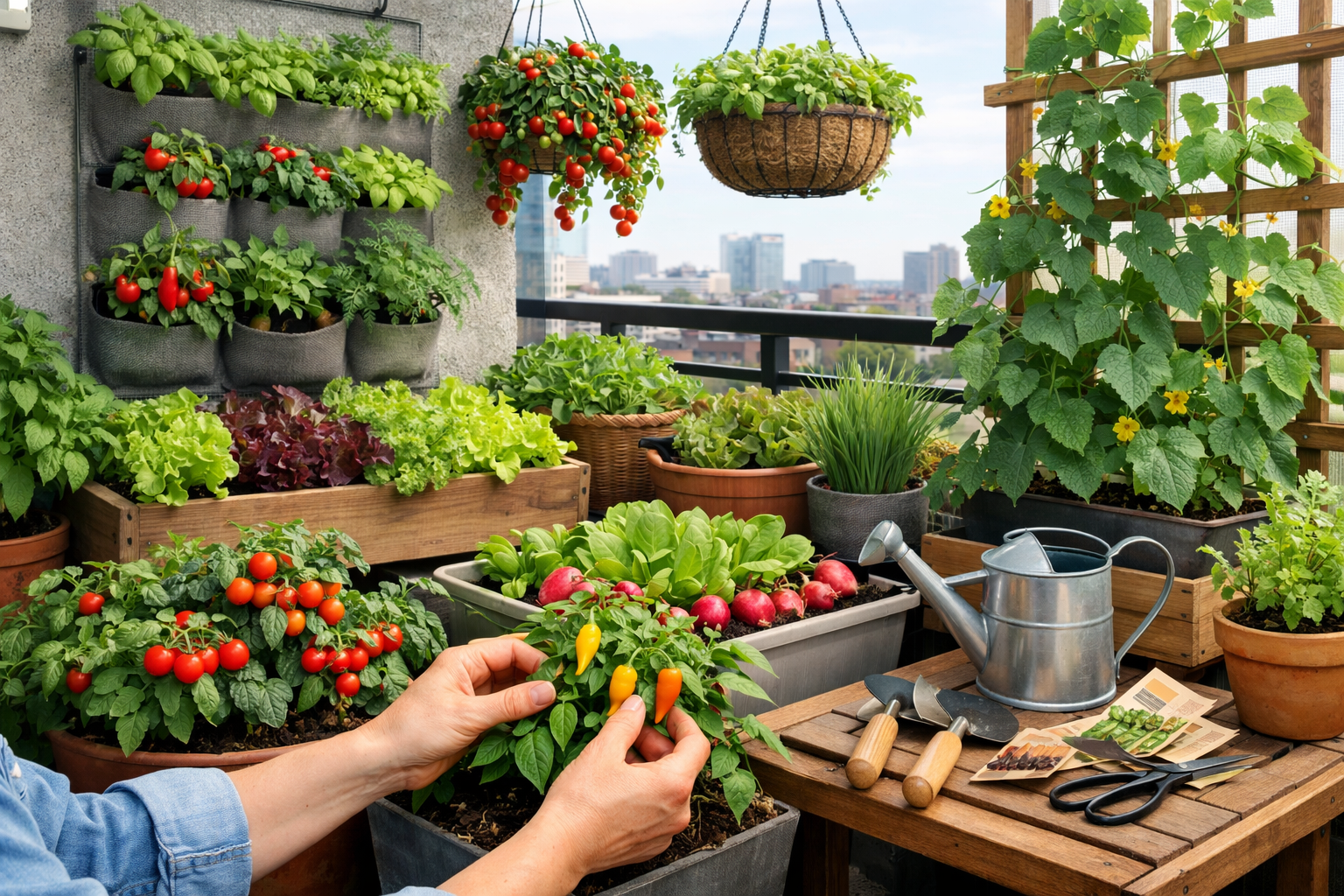
Anyone looking to learn how to grow tomatoes should think beyond fertiliser schedules and planting depths. To grow tomatoes, they require enough sunlight, consistent watering, adequate spacing, suitable soil, and support as they mature. The selection of varieties is important as the conditions of their growth, the available space, and intended uses can influence which tomato is the most suitable.
When a plant produces abundant leaves but no fruit, for example, just adding fertilizer might not solve the issue. The cause could be due to excessive nitrogen, high temperatures, insufficient sunlight or issues with pollination. It is more beneficial to look at the entire plant than treat every symptom the same method.
Harvesting is just one part of the story
If half of the vegetables spoilt before you eat them, then it’s an unsatisfactory experience. When harvesting, a careful way to grow your own vegetables at home is to consider the whole process.
Canning or freezing, drying sharing surplus food, preserving suitable seeds, and composting unwanted scraps can help households maximize the value of what they grow. Backyard chickens, plants, fruit trees, and composting could eventually be added pieces of the same household system.
It isn’t necessary to implement every single homesteading strategy at once. Learning ways to grow lettuce or enhance a compost heap or even keeping the first tomato plant you made at home.
Practical Experience Helps Grow Better Gardeners
The most beneficial gardening instruction doesn’t promise perfect plants. Weather changes, pests appear and seeds fail from time to time, and the recommendations differ by region.
The Sproutstead regards these realities as an integral part of the learning process and not as an additional benefit. Through connecting subjects such as soil and vegetables, seed-starting and pests, preservatives, backyard chickens, or self-sufficiency, with other subjects like preservation backyard poultry, self-sufficiency, readers will slowly learn to cultivate gardens.
A more successful home garden is usually built exactly the same way that plants grow slowly, season after season, starting with a sturdy foundation.